

GSTV’s newest Consumer Pulse highlights three trends shaping the impulse purchase opportunity:
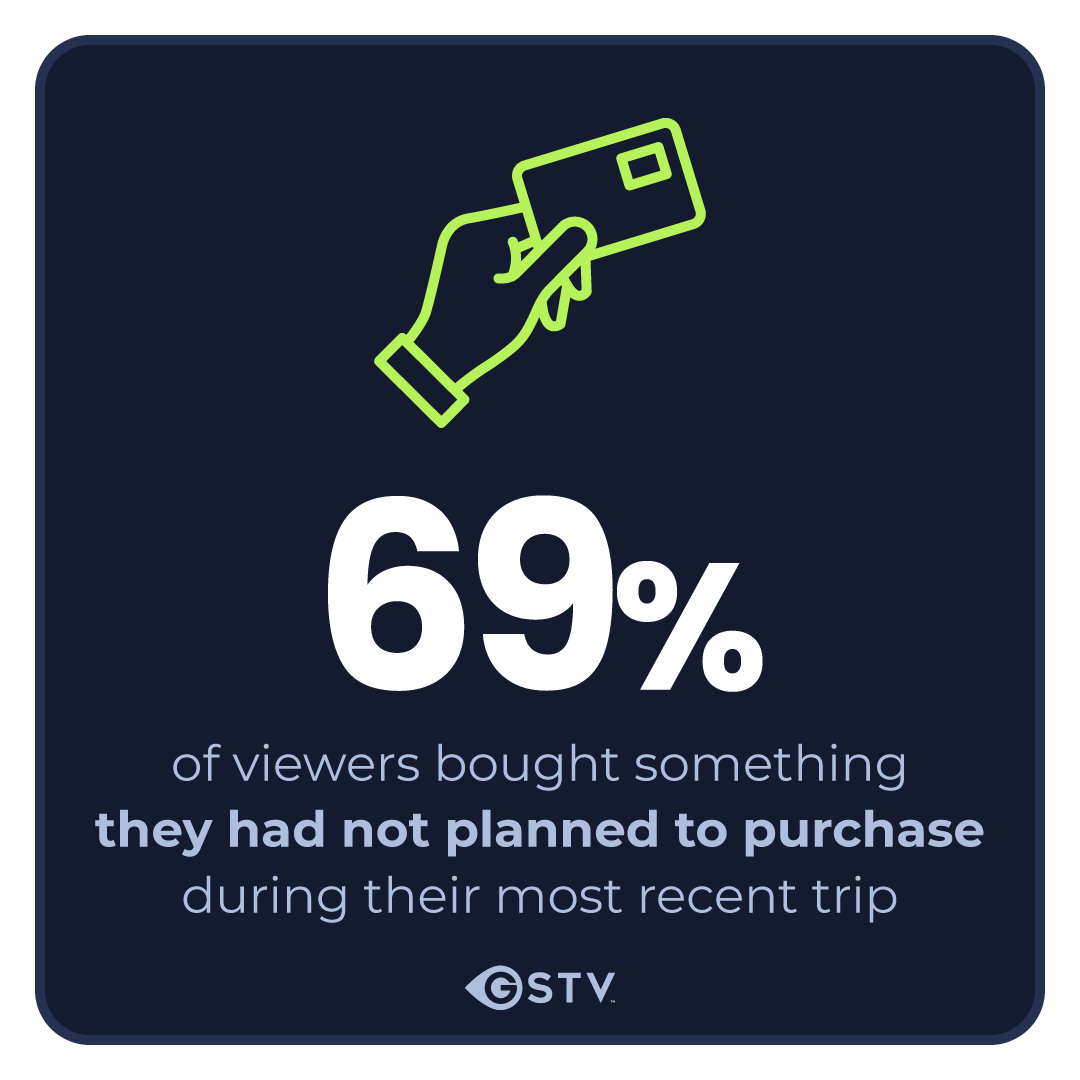
Purchase plans remain flexible, with 69% of GSTV viewers buying something they had not planned during their most recent errand trip.
Convenience can change the consumer journey, as 78% add a stop to an errand run when it is already on their way.
Needs continue to emerge on the go, with 45% saying they do not realize they need something until they are already in the car or inside a store.
Bottom line: Consumers are still deciding where to stop and what to buy well after leaving home, giving marketers an opportunity to influence the next purchase while the decision is still open.
The traditional path to purchase often assumes that consumers know what they want before they leave home. But the reality is much more fluid.
Errand runs evolve. Additional stops get added. New needs emerge along the way. Even after entering a store, many consumers are still deciding what will make it into their baskets.
For marketers, these unplanned moments represent an important opportunity to reach consumers when purchase intent is active, but the destination, product or meal decision has not yet been finalized.
Shaping Decisions During the Errand Run
Impulse purchases are a regular part of the modern errand run. According to GSTV’s August 2026 Consumer Pulse, 69% of viewers bought something they had not planned to purchase during their most recent trip.
Consumers are also open to adjusting their routes along the way. More than three-quarters of GSTV viewers (78%) add a stop to an errand run when it is conveniently located on their route. Another 45% say they do not realize they need something until they are already in the car or inside a store.
Together, these findings show that leaving home does not mean the shopping plan is set. Consumers may begin their trips with a general idea of what they need, but convenience, visibility and immediate relevance can still influence what happens next.
That creates an opportunity for marketers to reach people closer to the moment of action. A timely message can introduce a product, inspire an additional retail or dining stop, or bring a brand to mind before the next purchase.
The Unplanned Convenience Store Basket
Convenience-store behavior offers a clear look at how these decisions take shape in real time. Seventy-seven percent of GSTV viewers regularly make a convenience-store purchase while running other errands, extending the trip beyond its original purpose.
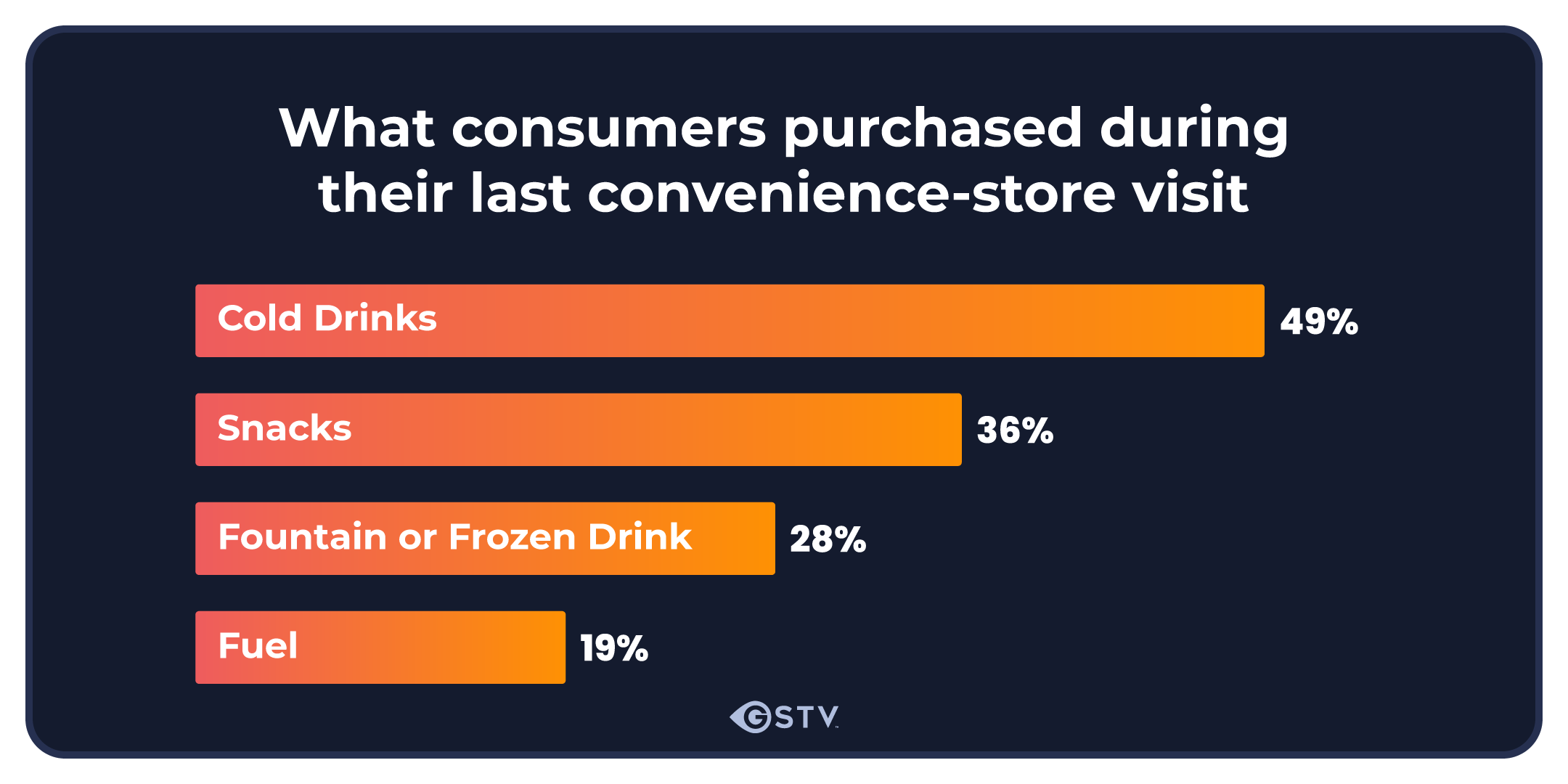
Cold drinks were the most common purchase during viewers’ last convenience-store visit, selected by 49%, followed by snacks at 36% and fountain or frozen drinks at 28%. By comparison, only 19% walked inside solely to pay for fuel.
Many of these baskets are still taking shape after shoppers enter the store. While 48% arrive knowing everything they plan to buy, 52% add at least one unplanned item. The leading reason is straightforward: half said, “I saw it and wanted it.”
For CPG and retail marketers, this makes visibility especially valuable. When consumers are already in a purchasing mindset, a timely message or offer can turn a general need, craving or passing interest into an immediate purchase.
One Stop, Multiple Purchase Occasions
Convenience stores are more than an occasional stop. GSTV viewers rely on them for several recurring occasions throughout the day and across the broader consumer journey.
Fifty-eight percent visit for “a little treat for myself,” while 48% rely on convenience stores for a morning fuel-up. Another 45% turn to them for road-trip snacks and drinks.
Each occasion represents a different consumer need and a different opportunity for brands. A morning trip could lead to a beverage or breakfast purchase. An afternoon errand may create demand for a snack or small reward. A road trip can expand the basket across food, drinks and other travel essentials.
These needs may also create opportunities beyond the convenience store. For nearby retailers and restaurants, reaching consumers during the fueling experience can help influence where they go and what they purchase next.
Parents Are Frequent Shoppers on the Go
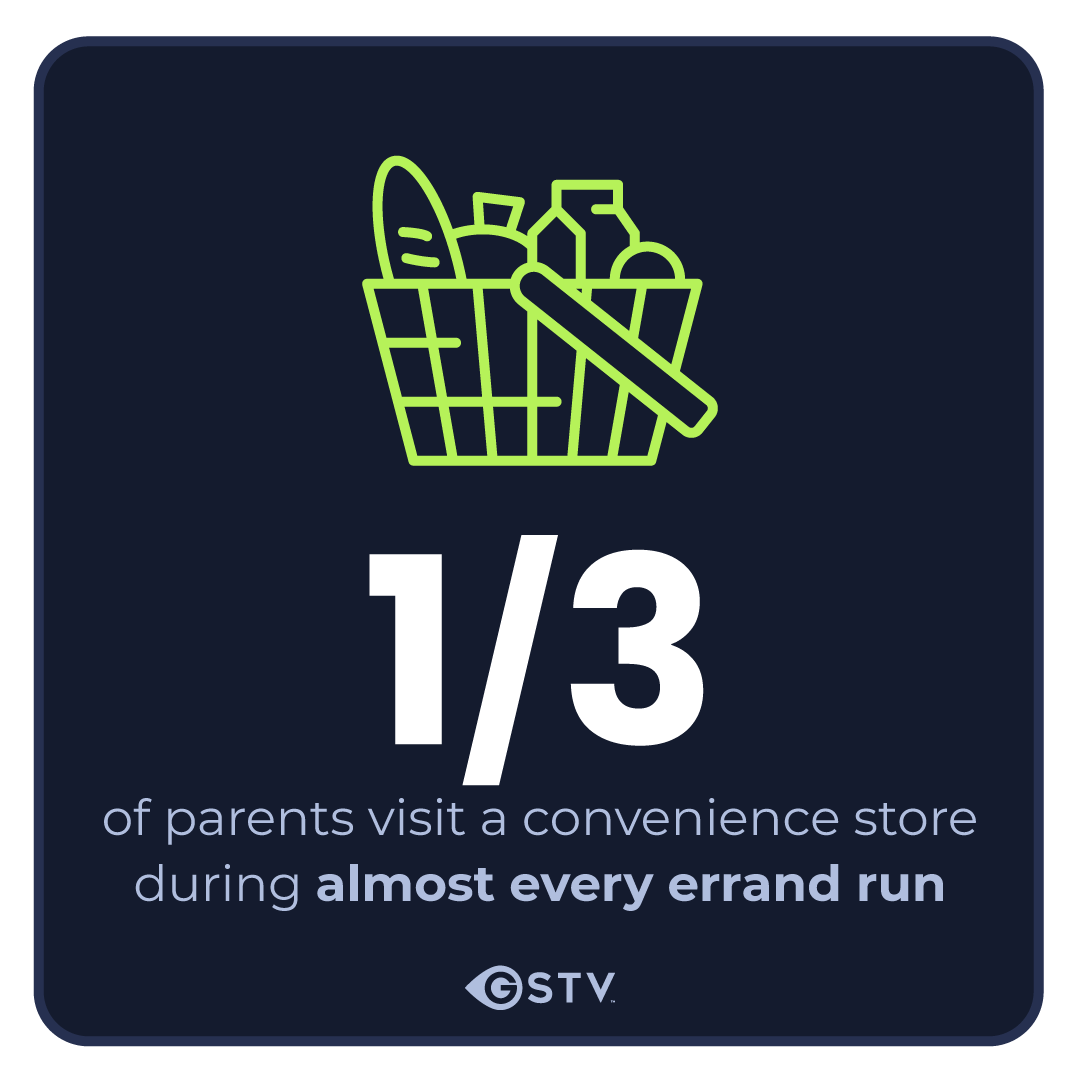
Parents represent an especially active audience within this opportunity. One-third of parents visit a convenience store during almost every errand run, compared with 22% of non-parents.
For households balancing work, school, activities and everyday responsibilities, the next purchase is often shaped by what is nearby, convenient and relevant in the moment.
What This Means for Marketers
Impulse purchases are not limited to spontaneous product decisions at the register. They can begin earlier, when a consumer sees a message that changes what they want, where they stop or what they plan to buy next.
GSTV reaches consumers during this active decision window, when they are away from home, moving between errands and preparing to make their next purchase. That places brands inside the decision-making moment, when visibility and relevance can still shape what happens next.
The purchase journey may begin at home, but the final decision often happens on the go. Reaching consumers in between gives marketers a meaningful role in where the journey leads. Reach out to our team to get started.
Source: GSTV x MFour, August 2026 Pulse Study. n=500.